
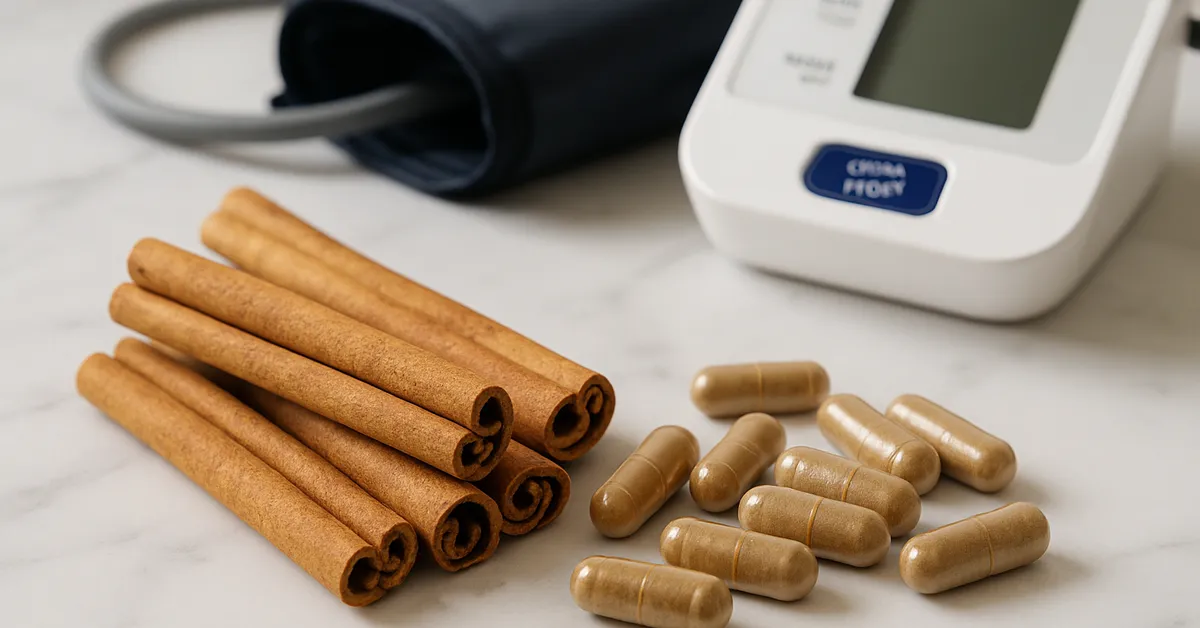
How Blood Pressure Works (And What Makes It Go Wrong)
Blood pressure is the force your blood exerts against artery walls with each heartbeat. Two numbers measure it: systolic (the pressure when your heart contracts) and diastolic (the pressure between beats). Normal is around 120/80 mmHg. Anything consistently above 130/80 is now classified as hypertension by most guidelines.
Disclosure: This post contains affiliate links. We may earn a commission if you purchase through our links, at no extra cost to you. We only recommend products we trust.
What drives blood pressure up? Several interrelated mechanisms:
- Arterial stiffness: When vessel walls lose elasticity, your heart has to work harder to push blood through. Blood pressure rises.
- Increased peripheral resistance: Narrower or inflamed blood vessels increase resistance to flow.
- Renin-angiotensin-aldosterone system (RAAS) overactivation: This hormonal cascade regulates blood volume and vessel constriction. When it’s overactive, pressure goes up.
- Endothelial dysfunction: The inner lining of arteries (endothelium) produces nitric oxide, which relaxes vessel walls. When this system is impaired, vessels don’t dilate properly.
- Insulin resistance and elevated blood sugar: Both damage arterial walls and impair nitric oxide production.
Most people with high blood pressure have multiple contributing factors at once, which is part of why it’s so hard to treat with any single intervention. Turmeric is another well-studied anti-inflammatory herb; for comparison, see this guide to the best turmeric supplement for joint pain.
How Cinnamon Might Affect Blood Pressure: The Proposed Mechanisms
Researchers have identified several pathways through which cinnamon could influence blood pressure. None of these are proven in humans with certainty, but they’re biologically plausible and supported by cell and animal studies:
- Nitric oxide enhancement: Cinnamon compounds, particularly cinnamaldehyde, appear to promote nitric oxide production in endothelial cells. More nitric oxide means better vasodilation.
- Insulin sensitization: Since insulin resistance contributes to hypertension, cinnamon’s documented blood-sugar-lowering effects may have indirect blood pressure benefits.
- Calcium channel effects: Some research suggests cinnamon compounds interact with calcium channels in smooth muscle cells, potentially promoting vascular relaxation.
- Antioxidant activity: Oxidative stress damages the endothelium and reduces nitric oxide availability. Cinnamon’s polyphenols have demonstrated antioxidant activity that may protect vascular function.
These mechanisms are plausible, but they don’t mean cinnamon is a blood pressure drug. They mean there’s a reasonable rationale for why clinical studies are finding modest effects.
What the Human Studies Actually Show
Multiple meta-analyses have now looked at cinnamon and blood pressure in clinical trials. Here’s what they found:
A systematic review and meta-analysis published in 2020 analyzed randomized controlled trials on cinnamon supplementation and blood pressure in adults. The analysis found that cinnamon supplementation produced modest but statistically significant reductions in both systolic and diastolic blood pressure. The effects were more pronounced in people with metabolic conditions like type 2 diabetes and metabolic syndrome.
A dose-response meta-analysis published in 2019 examined nine trials enrolling 641 subjects. Results showed cinnamon reduced systolic blood pressure by about 6 mmHg and diastolic by about 3.4 mmHg on average, with larger effects in people who started with higher baseline blood pressure.
An earlier meta-analysis specifically looking at prediabetes and type 2 diabetes patients found short-term cinnamon administration had a clinically meaningful impact on blood pressure regulation in this population.
To put those numbers in context: a 6 mmHg reduction in systolic blood pressure is roughly half the effect of a starting dose of a common antihypertensive medication. That’s meaningful as a complementary strategy, even if it’s not a standalone treatment.
Ceylon vs Cassia: Does the Type Matter for Blood Pressure?
Most of the blood pressure research used Cassia cinnamon, which is the cheap, common variety sold in most grocery stores. Ceylon cinnamon (Cinnamomum verum) is considered “true cinnamon” and has a different chemical profile.
The critical difference: Cassia contains significant amounts of coumarin, a compound that can cause liver toxicity with daily high-dose use. Ceylon has virtually no coumarin. For daily supplementation specifically for blood pressure management, this distinction matters enormously.
Here’s the catch: there’s less specific blood pressure research on Ceylon cinnamon. Most of what we know comes from Cassia studies. However, Ceylon contains the same core active compounds (cinnamaldehyde, cinnamate derivatives, polyphenols) responsible for the proposed blood pressure mechanisms, plus its own antioxidant compounds.
For long-term supplementation, Ceylon is the rational choice because:
- Coumarin risk with daily Cassia use at supplemental doses is real
- The active mechanisms should translate from Cassia research
- Certified organic Ceylon offers a cleaner product overall
For a full comparison, see: ceylon vs cassia: which is safer? And for the broader cardiovascular picture, this guide covers cinnamon’s effects on cholesterol as well: ceylon cinnamon for cholesterol and heart health.
If you want to understand the blood sugar connection that underlies some of these blood pressure effects, the MFL team published a strong explainer: cinnamon and blood sugar. And for a direct look at what the research says about cinnamon and blood pressure: cinnamon and blood pressure.
Realistic Expectations: Adjunct, Not Replacement
Let’s be clear about what cinnamon supplementation is and isn’t.
It’s not a blood pressure medication replacement. If your doctor has prescribed antihypertensives, don’t stop taking them because you started a cinnamon supplement. Uncontrolled hypertension causes strokes and heart attacks.
What cinnamon can reasonably be used for:
- As part of a lifestyle-based approach to managing borderline-high blood pressure (120-139/80-89 range)
- As a complement to medical management for people who want to use lifestyle aggressively
- For people with elevated blood pressure driven by insulin resistance, where cinnamon has the most evidence
- As a tool in the context of a broader diet-and-exercise approach
The 6 mmHg reduction seen in meta-analyses is a real, clinically useful number. But it only gets you there if you’re also doing the basics: reducing sodium, exercising consistently, managing weight, limiting alcohol, managing stress. Cinnamon as a standalone fix for hypertension is not a reasonable expectation.
How to Use Cinnamon Alongside Lifestyle Changes
Think of cinnamon supplementation as one lever in a system. Here’s how to use it effectively:
Dose
The clinical trials that showed blood pressure benefits used doses ranging from 1,000mg to 3,000mg of cinnamon extract daily. For a Ceylon cinnamon supplement, 1,500-2,000mg per day is a reasonable starting point. Split into two doses with meals.
Timing
With meals. The blood sugar stabilizing effects of cinnamon work best when you take it with or just before eating. This is especially relevant for people whose blood pressure issues are tied to insulin resistance and post-meal glucose spikes.
Pair It With
- DASH diet principles: High fruits, vegetables, whole grains, low sodium, limited saturated fat
- Aerobic exercise: 150 minutes per week of moderate-intensity exercise can lower systolic blood pressure by 5-8 mmHg on its own
- Sodium reduction: Every 1,000mg reduction in daily sodium intake typically lowers systolic pressure by 1-2 mmHg
- Magnesium: Deficiency is very common and contributes to blood pressure elevation. Magnesium supplementation has its own evidence base for blood pressure.
Who Should Be Cautious
Cinnamon is generally safe, but some groups need to pay attention:
- People on antihypertensive medications: Cinnamon may add to the blood pressure-lowering effect, which could cause pressure to drop too low. Monitor your blood pressure when starting and discuss with your prescriber.
- People on blood sugar medications or insulin: Same concern: cinnamon’s glucose-lowering effects can compound medication effects.
- Liver disease patients: Avoid Cassia. Even at supplemental doses, coumarin is a real concern for people with existing liver issues. Ceylon is a much safer choice even here.
- Pregnant women: High-dose cinnamon supplementation during pregnancy hasn’t been adequately studied. Food amounts are fine; supplements are a different story.
- People scheduled for surgery: Due to mild antiplatelet and blood sugar effects, stop supplementing 1-2 weeks before any surgical procedure.
Choosing a Quality Ceylon Cinnamon Supplement
Not all cinnamon supplements are created equal. What to look for:
- Ceylon, not Cassia: The label should explicitly say “Ceylon” or “Cinnamomum verum.” If it just says “cinnamon,” assume Cassia.
- Certified organic: Cinnamon can carry pesticide residues. Organic certification matters for a product you’re taking daily.
- No fillers or unnecessary additives
- Third-party tested
A certified organic Ceylon cinnamon supplement or also on Amazon checks all these boxes without the coumarin risk of cheaper Cassia products.
The Bottom Line on Ceylon Cinnamon and Blood Pressure
The research on cinnamon and blood pressure is genuinely encouraging, even if the effect sizes are modest. Multiple meta-analyses confirm real reductions in both systolic and diastolic pressure, particularly in people with metabolic dysfunction. Ceylon is the right choice for daily use. The mechanisms are biologically plausible. The safety profile is excellent with Ceylon.
Use it as part of a smart lifestyle strategy, communicate with your doctor if you’re on medications, and give it 8-12 weeks before drawing conclusions. That’s what the evidence supports.