
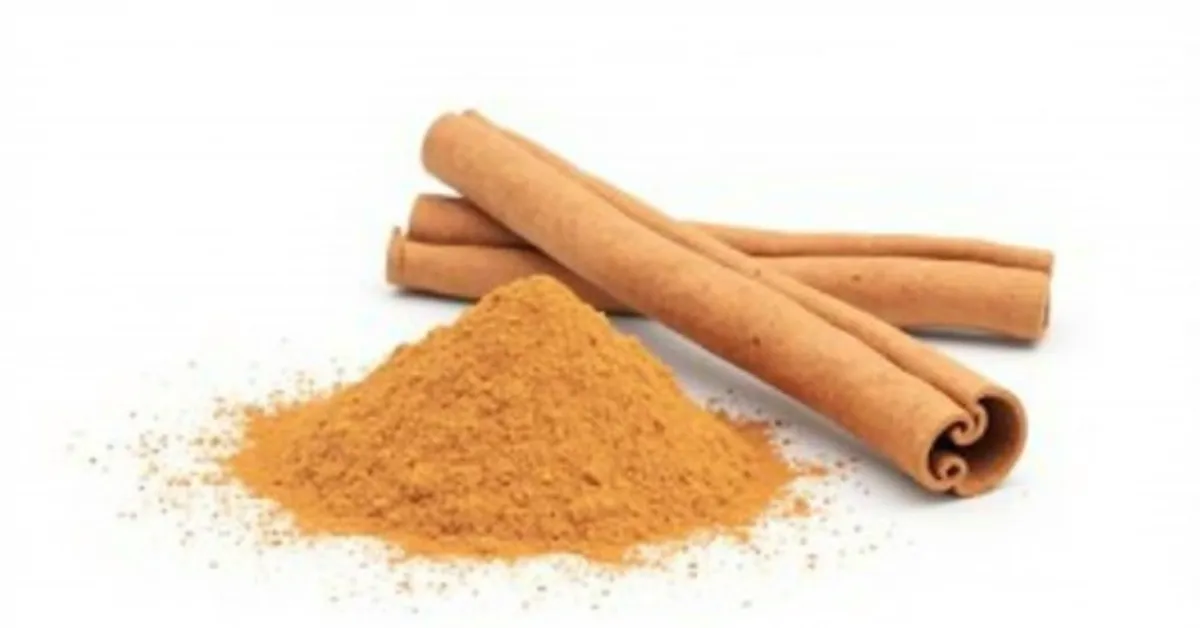
Why Your Gut Might Love Cinnamon
Most people reach for cinnamon to add warmth to their coffee or oatmeal. But researchers have been quietly building a case that this ancient spice does something far more interesting inside your digestive tract: it may act as a prebiotic, selectively feeding the beneficial bacteria your gut depends on. If you care about digestion, bloating, or the balance of microbes living in your intestines, the science behind cinnamon gut health prebiotic research is worth understanding.
Disclosure: This post contains affiliate links. We may earn a commission if you purchase through our links, at no extra cost to you. We only recommend products we trust.
What Makes Something a Prebiotic?
A prebiotic is not a probiotic. Probiotics are live bacteria you ingest; prebiotics are the food those bacteria eat. Technically, a prebiotic is a substrate that gets selectively utilized by beneficial host microorganisms and confers a health benefit. The classic examples are fibers like inulin and fructooligosaccharides, found in garlic, onions, and chicory root.
Cinnamon does not fit the classic mold of a high-fiber prebiotic food. What it does contain are polyphenols, specifically cinnamaldehyde and proanthocyanidins, along with polysaccharides in the bark itself. These compounds interact with gut microbiota in ways that look, functionally, a lot like prebiotic activity, even if the mechanism differs from traditional fiber-based prebiotics.
What the Research Shows
Cinnamon Polyphenols and the Microbiome
A study published in the Journal of Agricultural and Food Chemistry found that cinnamon polyphenols significantly modulated the composition of gut microbiota in animal models, promoting growth of beneficial Lactobacillus and Bifidobacterium species while reducing populations of potentially harmful bacteria. The researchers noted that cinnamon extract appeared to act as a selective substrate for beneficial microbes. (PMID: 26505728)
A separate trial examined the effects of cinnamon supplementation on gut microbiota diversity in humans. Participants who received cinnamon extract showed measurable increases in short-chain fatty acid (SCFA) production, a key marker of healthy prebiotic fermentation in the colon. SCFAs like butyrate, propionate, and acetate are what your gut lining cells use as fuel, and their presence is strongly associated with reduced gut inflammation and improved intestinal barrier function. (PMID: 34544673)
Cinnamaldehyde and Gut Barrier Support
Cinnamaldehyde, the compound responsible for cinnamon’s characteristic flavor, has drawn significant attention for its effects on the intestinal epithelium. Research published in Food Chemistry demonstrated that cinnamaldehyde supports the expression of tight junction proteins in gut lining cells, which are the proteins that keep the intestinal barrier sealed and selective. A compromised barrier, sometimes called “leaky gut,” is associated with systemic inflammation and digestive symptoms. Research suggests cinnamaldehyde may help maintain barrier integrity by supporting the proteins that hold gut cells together. (PMID: 30064842)
Effects on Digestive Enzyme Activity
Cinnamon may also influence digestion more directly. Studies show that cinnamon extract inhibits certain digestive enzymes, including alpha-glucosidase and alpha-amylase, which slow the breakdown of carbohydrates. This slowing effect is actually beneficial for gut health: it extends the time food spends in contact with the intestinal lining, gives bacteria in the colon more substrate to ferment, and helps prevent the rapid glucose spikes that can disrupt the gut environment. (PMID: 21538147)
Ceylon vs. Cassia: Which Type Matters for Gut Health
Not all cinnamon is the same. The two most common types are Ceylon cinnamon (Cinnamomum verum) and Cassia cinnamon (Cinnamomum aromaticum). Most cinnamon sold in North American grocery stores is Cassia, which contains significant amounts of coumarin, a compound that can be hard on the liver when consumed in high doses over time.
Ceylon cinnamon has far lower coumarin levels, making it the better choice for anyone using cinnamon regularly as a supplement rather than a pinch of spice. If you are interested in getting meaningful amounts of cinnamon for digestive support, using organic Ceylon cinnamon in supplement form is the smarter, safer route compared to spooning grocery-store Cassia into your food every day.
For a deeper look at this distinction, see our guide on Ceylon vs. Cassia cinnamon, which breaks down the key differences and helps you decide which type belongs in your routine.
How Cinnamon Fits Into a Gut Health Protocol
Pairing Cinnamon With Other Prebiotics and Probiotics
Cinnamon works best as part of a broader gut health approach, not as a standalone fix. Its prebiotic-like activity is most meaningful when your gut already has a healthy population of beneficial bacteria to feed. Think of cinnamon as creating a favorable environment for your microbiome rather than repopulating it from scratch.
Combining cinnamon with traditional prebiotic foods (garlic, leeks, asparagus, oats) and fermented foods (yogurt, kefir, sauerkraut) gives your gut both the fiber substrate and the live cultures it needs. If you supplement with a probiotic, cinnamon may enhance the environment those bacteria land in.
Dosage Considerations
Research studies have used doses ranging from 1 gram to 6 grams of cinnamon daily. For general digestive support, 1 to 2 grams of Ceylon cinnamon per day is a reasonable starting point. Capsule supplements make it easy to stay consistent with dosing, and Ceylon formulas keep coumarin exposure low.
You can find a well-reviewed option on Amazon: the Me First Living Organic Ceylon Cinnamon supplement, which uses true Ceylon sourced for purity and consistency.
Digestive Symptoms Cinnamon May Help With
Beyond its prebiotic-adjacent activity, cinnamon has a traditional history of use for digestive complaints. Modern research adds some support to these traditional uses:
- Bloating and gas: Cinnamon’s antimicrobial properties may reduce populations of gas-producing bacteria, supporting more comfortable digestion.
- Nausea: Animal and preliminary human research suggests cinnamon may help settle nausea, possibly through its effect on gastric motility.
- Post-meal blood sugar spikes: By slowing carbohydrate digestion, cinnamon may help moderate the glucose and insulin response after meals, which has downstream effects on gut microbiota composition.
- Gut inflammation: The antioxidant polyphenols in cinnamon may help reduce oxidative stress in the gut lining, supporting a healthier inflammatory baseline.
For a complete look at how cinnamon supports the body beyond the gut, see our overview of cinnamon health benefits, which covers research on blood sugar, antioxidant activity, and more.
Who Should Be Cautious
Cinnamon is well tolerated by most adults in food and supplement doses. That said, a few groups should check with a healthcare provider before supplementing:
- People on blood thinners or diabetes medications, since cinnamon may have additive effects on blood glucose and anticoagulant pathways.
- Individuals with liver conditions, particularly if using Cassia cinnamon in large amounts due to coumarin content.
- Pregnant women should stick to culinary amounts rather than high-dose supplements.
If you want more context on safe supplementation, our article on the best cinnamon supplements covers what to look for on a label and how to avoid low-quality products.
The Bottom Line on Cinnamon and Gut Health
Cinnamon is not a fiber in the classical prebiotic sense, but its polyphenols and bioactive compounds interact with the gut microbiome in ways that parallel prebiotic activity. Research suggests it may selectively support beneficial bacteria, promote short-chain fatty acid production, reinforce the intestinal barrier, and moderate the carbohydrate digestion process. Taken together, these effects make cinnamon, especially organic Ceylon cinnamon, a genuinely useful addition to a gut health routine.
The MFL team digs into this topic in more depth on their health journal: Cinnamon and Gut Health on the MFL Blog. Worth a read if you want the full breakdown alongside supplement recommendations.
As with any supplement, consistency matters more than the occasional sprinkle. For meaningful gut benefits, daily use at an appropriate dose, using a clean Ceylon source, is the approach the research most supports.