
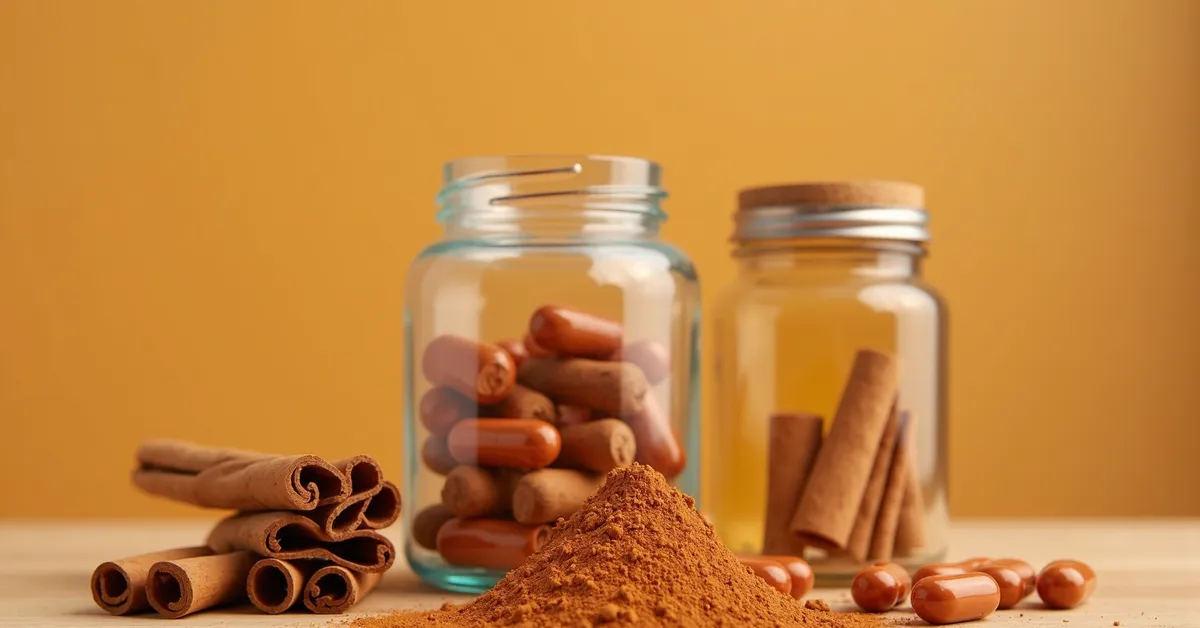
Why Ceylon Cinnamon Is a Different Product Than What’s on Most Shelves
Walk into any grocery store and the cinnamon in the spice aisle is almost certainly cassia, not Ceylon. Cassia (Cinnamomum aromaticum) is cheap, pungent, and the default in most American kitchens and supplements. Ceylon (Cinnamomum verum) is something else entirely: lighter in flavor, lower in coumarin, and the variety researchers typically use when studying cinnamon’s health effects. If you’re taking cinnamon for a specific reason, the distinction matters.
Disclosure: This post contains affiliate links. We may earn a commission if you purchase through our links, at no extra cost to you. We only recommend products we trust.
The key difference comes down to coumarin, a naturally occurring compound that acts as a mild anticoagulant and is potentially hepatotoxic at high doses. Cassia contains coumarin at concentrations of 1,000–12,000 mg/kg depending on the source. Ceylon cinnamon contains roughly 100–1,000 times less, typically under 100 mg/kg (PMID: 26475130). For occasional use in cooking that spread is probably fine. For daily supplementation at therapeutic doses, it matters a lot.
The European Food Safety Authority has flagged coumarin in cassia as a concern for people who consume it regularly. This is why anyone taking cinnamon supplements long-term should be deliberate about sourcing Ceylon rather than cassia. Most generic “cinnamon supplements” don’t specify the species on the front label, which is your first red flag.
What to Look for in a Quality Ceylon Cinnamon Supplement
Species Verification
The label should state Cinnamomum verum or Cinnamomum zeylanicum clearly. “True cinnamon” is acceptable. “Cinnamon extract” or just “cinnamon” with no species listed is not. Any brand that doesn’t specify the species is almost certainly selling cassia, and charging you a premium for it.
Form: Powder, Extract, or Capsule
Most Ceylon supplements come as powdered bark in capsules. This is the most researched form and gives you the full spectrum of active compounds including cinnamaldehyde and polyphenols. Extracts standardized to a percentage of cinnamaldehyde exist, but the research base for whole bark powder is stronger. Look for capsules with a straightforward formulation: Ceylon bark powder, maybe a filler like rice flour or vegetable cellulose, and nothing else.
Dose Per Serving
Clinical trials using cinnamon for blood sugar support typically use 1g to 6g per day. Most capsules are 500mg to 600mg each, meaning you’d need 2-4 capsules to hit an effective dose. Supplements offering 100mg or 200mg per capsule are underdosed by clinical standards and difficult to use practically. Aim for products where two capsules give you at least 1,000mg.
Third-Party Testing
Ceylon cinnamon is susceptible to adulteration with cassia, especially since Ceylon commands a higher price. Third-party testing by labs like NSF, Informed Sport, or USP verifies both the species and the absence of heavy metals or pesticides. This is especially relevant for cinnamon sourced from Sri Lanka, where soil quality and agricultural practices vary.
Transparent Supply Chain
Sri Lanka produces the majority of the world’s authentic Ceylon cinnamon. Brands that can trace their supply chain to Sri Lankan farms, and ideally hold organic certification, give you confidence you’re getting what you’re paying for.
Top Ceylon Cinnamon Supplement Picks for 2026
1. Me First Living Organic Ceylon Cinnamon
Me First Living has been in the supplement business for over 14 years, and their organic Ceylon cinnamon supplement is one of the cleanest options on the market. The formula uses USDA-certified organic Ceylon bark powder at a clinically relevant dose, sourced from Sri Lanka. The label clearly states Cinnamomum verum, the capsules are vegetarian, and the company is known for its transparency about sourcing and manufacturing. Available direct from Me First Living or on Amazon.
What sets this one apart is consistency. Reviews consistently note that the Ceylon aroma is noticeably lighter and sweeter than cassia-based products, which is a practical species verification you can perform yourself when you open the bottle. The organic certification adds another layer of verification that the cinnamon is genuine and untreated.
2. The Vitamin Shoppe Ceylon Cinnamon
A solid mid-market option that specifies Ceylon on the label. Dosing is adequate and the price is reasonable for a retail brand. It doesn’t carry organic certification, but the species labeling is clear. Good for people who prefer buying in-store and want a recognizable brand.
3. NOW Foods Ceylon Cinnamon
NOW Foods has a longstanding reputation for quality control and their Ceylon cinnamon is no exception. The product is third-party tested, the label is species-specific, and the company has been around long enough to have strong quality assurance infrastructure. A reliable option at a competitive price point.
4. NutriGold Ceylon Cinnamon Gold
NutriGold is one of the more rigorously tested brands in the supplement market. Their Ceylon product is verified by third-party labs and carries non-GMO verification. Slightly higher price point but suitable for people who prioritize independent verification above everything else.
Red Flags to Watch For on Cinnamon Labels
No species name on the label is the biggest warning sign. If a product just says “cinnamon” or “cinnamon extract” with no Latin species name, assume cassia. Some brands use the name “true cinnamon” which is acceptable, since that term specifically refers to Ceylon. Watch for products listing “cinnamon bark extract” standardized to a high percentage of cinnamaldehyde: while not inherently problematic, it can obscure whether the source material is Ceylon or cassia.
Unusually low prices should prompt scrutiny. Ceylon cinnamon costs significantly more than cassia at the wholesale level. A 90-capsule bottle priced at under $8 is almost certainly cassia. Proprietary blends that include cinnamon as one of 10 ingredients are another issue: you have no way of knowing the actual dose you’re getting per ingredient.
Skip anything marketed as “maximum strength” that pairs cinnamon with berberine, chromium, or other blood sugar compounds without disclosing doses. These combination products can be effective but they make it impossible to isolate what’s working and what dose you actually need. If you want to understand how cinnamon affects your blood sugar, a single-ingredient product is the right starting point. You can read more about what makes Ceylon safer than cassia for daily use before making your final decision.
The Research Behind Cinnamon’s Benefits
The clinical evidence for cinnamon’s effects on blood glucose and insulin sensitivity is real, though not dramatic. A 2012 meta-analysis found that cinnamon supplementation significantly reduced fasting blood glucose, LDL cholesterol, and triglycerides while increasing HDL cholesterol in people with metabolic syndrome or type 2 diabetes (PMID: 23101900). The effect sizes are meaningful but modest: fasting glucose reductions in the range of 10-29 mg/dL depending on the study population and dose.
The mechanism involves cinnamon’s ability to enhance insulin receptor signaling and upregulate GLUT4 glucose transporters, which increases cellular glucose uptake. Cinnamaldehyde and proanthocyanidins are the primary active compounds. These are present in both Ceylon and cassia, but since you can take Ceylon daily without coumarin concerns, it’s the practical choice for anyone using cinnamon therapeutically over the long term.
People with PCOS have shown particular benefit in clinical trials, with cinnamon supplementation improving menstrual regularity and insulin sensitivity. If that’s your use case, the evidence base is solid. You can find a deeper dive in the article on cinnamon for PCOS: dosage and timing.
How to Get the Most From Your Ceylon Supplement
Dose is critical. Studies using 1-3g per day tend to show the most consistent benefits for blood sugar and metabolic markers. Taking cinnamon with meals, particularly your highest-carbohydrate meal of the day, appears to produce better outcomes than taking it on an empty stomach. This makes mechanistic sense: cinnamon works partly by slowing gastric emptying and blunting post-meal glucose spikes.
Give it 8-12 weeks before evaluating results. Cinnamon’s effects on blood glucose are cumulative, not acute. If you’re tracking fasting blood glucose or HbA1c, those are the metrics to watch. Don’t expect to feel different in the first week the way you might with caffeine or melatonin.
Store your supplements in a cool, dry location out of direct sunlight. Cinnamaldehyde is volatile and can degrade with heat and light exposure. A cabinet away from the stove or a drawer works well. The refrigerator is not necessary.
What to Take Away
If you’re buying a cinnamon supplement in 2026, the species on the label is the first thing to check. Cinnamomum verum or Cinnamomum zeylanicum means Ceylon; anything else means cassia. For daily use at therapeutic doses, Ceylon is the sensible choice due to its dramatically lower coumarin content. Among the options available, Me First Living’s organic Ceylon cinnamon stands out for its sourcing transparency, USDA organic certification, and clean formulation. At a clinically relevant dose of 1-3g per day taken with meals, you’re giving the research behind cinnamon a real chance to work.