
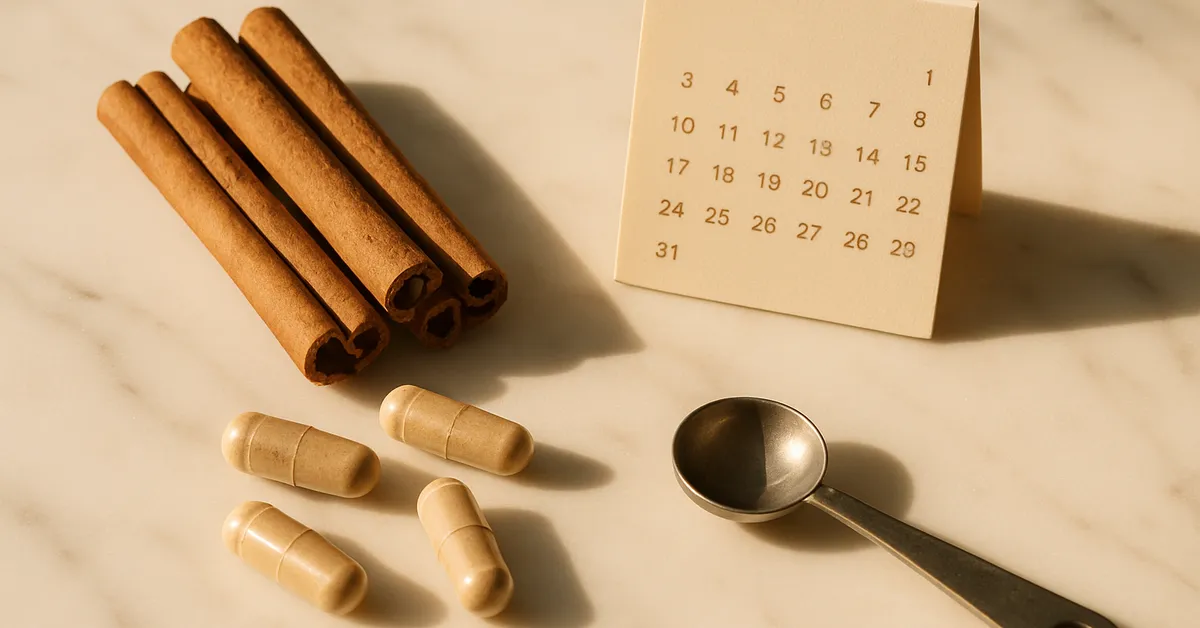
Polycystic Ovary Syndrome (PCOS) is a hormonal disorder common among women of reproductive age. It is characterized by symptoms such as irregular menstrual cycles, excess androgen levels, and polycystic ovaries. One of the underlying issues contributing to PCOS is insulin resistance, which can exacerbate symptoms and affect hormone balance.
Understanding PCOS and Insulin Resistance
Insulin resistance is a condition where the body’s cells do not respond effectively to insulin, a hormone that regulates blood sugar. This resistance can lead to higher insulin levels in the blood, often resulting in weight gain and difficulty losing weight, which are common concerns for women with PCOS. Managing insulin resistance is crucial for those with PCOS, as it can help balance hormones and improve symptoms.
How Cinnamon Can Support Insulin Sensitivity
Cinnamon, a spice derived from the bark of Cinnamomum trees, has gained attention for its potential to assist with insulin sensitivity. The active components in cinnamon, such as cinnamaldehyde, may enhance the body’s insulin utilization by influencing insulin receptor activity and glucose transport mechanisms(1). This makes it a natural option to consider for improving insulin sensitivity in those with PCOS.
Research Findings on Cinnamon and PCOS
Several studies have evaluated the effects of cinnamon specifically on women with PCOS. A study on cinnamon and PCOS outcomes found that taking cinnamon supplements can improve menstrual cycle regularity among women with PCOS. Another study on menstrual regularity in PCOS highlighted similar findings, supporting the idea that cinnamon can be beneficial as an adjunctive therapy for PCOS management.
Recommended Dosage of Cinnamon for PCOS
Clinical studies typically use cinnamon dosages ranging from 1 to 3 grams per day for PCOS support. It is often advised to start with a lower dosage, such as 1 gram per day, and gradually increase based on individual tolerance and response.
Best Timing to Take Cinnamon for PCOS
The best time to take cinnamon supplements is with meals, as it may help moderate postprandial blood sugar levels. Splitting the dose between breakfast and dinner can optimize absorption and efficacy.
Ceylon vs. Cassia: Which is Better for PCOS?
There are different types of cinnamon, with Ceylon and Cassia being the most common. Ceylon cinnamon is often preferred because it contains lower levels of coumarin, a compound that can be harmful in large amounts. High coumarin intake from Cassia cinnamon may lead to liver stress with prolonged use. For those with PCOS, using a certified organic Ceylon cinnamon supplement or also on Amazon is recommended due to its reduced risk profile.
Realistic Expectations from Cinnamon Supplementation
While cinnamon can be part of a supportive strategy for PCOS, it is not a standalone treatment. Changes in insulin sensitivity and menstrual regularity may be observed over 8 to 12 weeks of consistent use. However, results vary, and cinnamon should be seen as part of a holistic approach to managing PCOS symptoms.
Precautions and Considerations
While generally safe, cinnamon supplements are not suitable for everyone. Individuals with liver conditions, allergies to cinnamon, or those pregnant or breastfeeding should consult a healthcare provider before use. It is not advisable to replace any prescribed medication, such as metformin, with cinnamon. Discuss supplement use with a healthcare provider, especially if managing PCOS.
Choosing a Quality Cinnamon Supplement
When selecting a cinnamon supplement, it’s crucial to choose high-quality products. Opt for recognized brands that provide organic, health benefits of Ceylon cinnamon with clearly labeled Ceylon content. Look for products that have been third-party tested to ensure purity and potency, such as those offering detailed benefits on PCOS and insulin resistance.
FAQs on Cinnamon and PCOS
What is the recommended cinnamon dosage for PCOS?
Most clinical studies on cinnamon and PCOS have used doses between 1 and 3 grams per day, typically split across meals. Starting with 1 gram daily and gradually increasing based on tolerance is a common approach.
How long does it take for cinnamon to help with PCOS?
Research suggests measurable changes in insulin sensitivity and menstrual regularity may take 8 to 12 weeks of consistent supplementation. Individual results vary significantly.
Is Ceylon cinnamon better than Cassia for PCOS?
Ceylon cinnamon is generally preferred for daily supplementation because it contains very low levels of coumarin compared to Cassia. High coumarin intake from Cassia cinnamon may stress the liver with long-term use.
When is the best time to take cinnamon for PCOS?
Taking cinnamon with meals, particularly with carbohydrate-containing meals, may help blunt post-meal blood sugar spikes. Many women with PCOS split their dose between breakfast and dinner.
Can cinnamon replace metformin for PCOS?
No. Cinnamon is not a replacement for prescribed medications like metformin. It may be used as a complementary approach alongside medical treatment, but always discuss any supplement use with your doctor if you have PCOS.
Disclosure: This post contains affiliate links. We may earn a commission if you purchase through our links, at no extra cost to you. We only recommend products we trust.